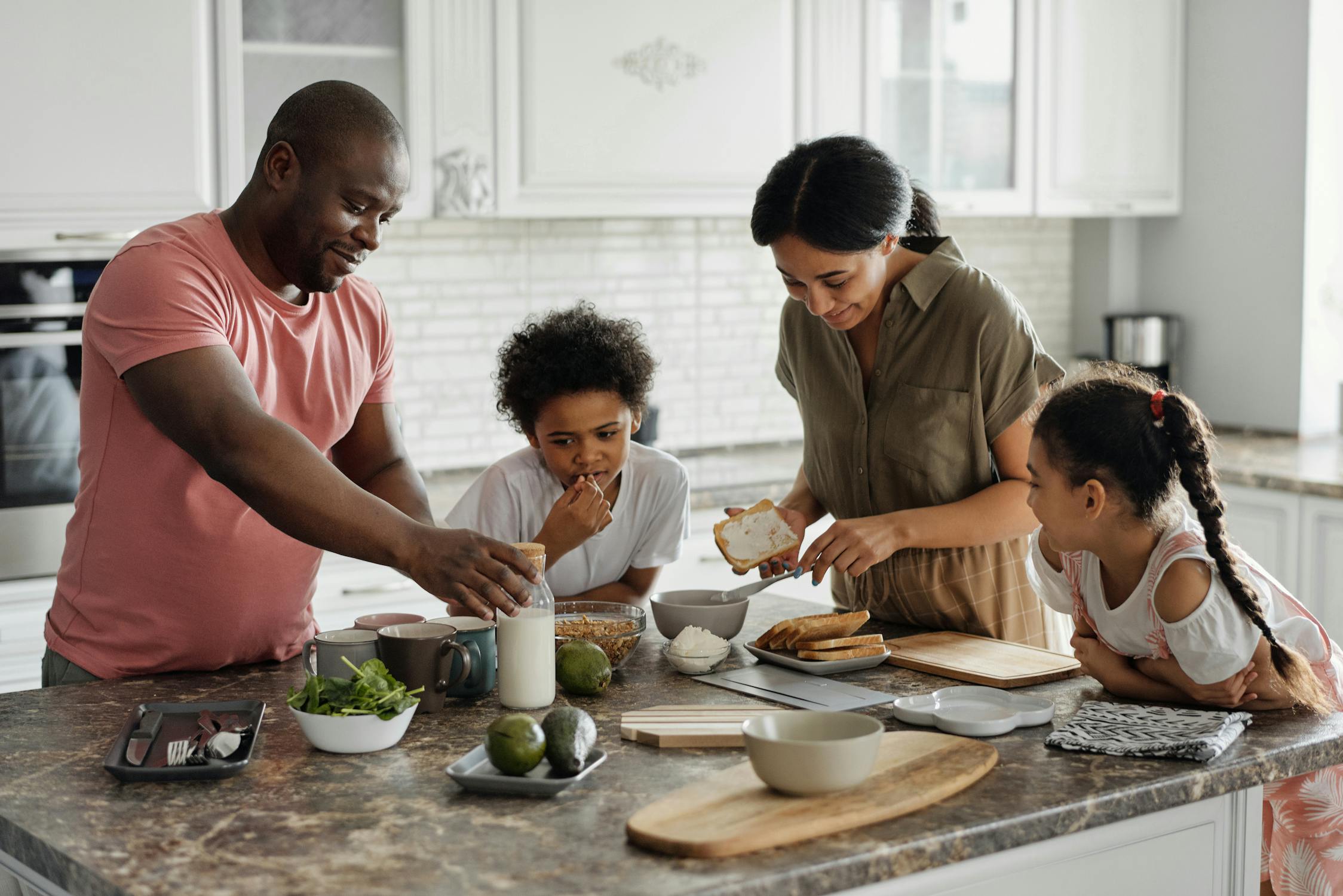
My earliest memories take place in my mother's kitchen—a modest space filled with aromas that told our family's history more eloquently than any photo album. Standing on a wobbly stool beside her, I learned to pinch the edges of empanadas before I learned to tie my shoes.
"Not so hard," she would say, gently adjusting my eager fingers. "The dough needs to breathe a little, just like people do."
More Than Measurements
My mother never used recipes. When I asked how much oregano to add, she would say, "Until it smells like your abuela's garden." When I wondered how long to simmer the beans, she'd reply, "Until they're singing the right song." Her cooking instructions were poetry, not science.
I found this maddening as a child. I wanted exactness, precision, the comfort of knowing I was doing things correctly. It took years to understand that she was teaching me something far more valuable than measurements.
"Cooking is about being present," she explained when I was older. "About noticing how things look and smell and feel. About adjusting and adapting. No recipe can teach you that."
History in Our Hands
As we kneaded dough together, my mother would tell stories. How her grandmother made bread during wartime when flour was scarce. How certain dishes appeared at every family celebration for generations. How recipes transformed as our family migrated across countries and continents.
"When you cook these dishes, you're keeping all these women alive," she would tell me. "Your hands remember what their hands knew."
I didn't fully appreciate these history lessons until I left home and found myself making her dishes from memory in a tiny apartment kitchen. Each time I rolled masa or chopped chiles, I felt connected to that lineage of women. My hands did remember.
Life Wisdom Between Stirring and Chopping
Some of my mother's most profound advice came casually between cooking instructions.
While teaching me to salvage an oversalted soup: "Most mistakes can be balanced out with the right additions. Remember that with people too."
While showing me how to tell when oil is hot enough without a thermometer: "Trust what you observe more than what you're told. Your senses won't lie to you."
While instructing me on proper knife sharpening: "Taking care of your tools is as important as knowing how to use them. Same goes for your mind and body."
I now recognize these kitchen moments as my most formative education—lessons in patience, adaptability, resourcefulness, and attention that apply far beyond cooking.
The Kitchen as Sacred Space
Our kitchen was where celebrations were planned, conflicts resolved, tears shed, and accomplishments celebrated. More than any other room, it held our family's emotional life.
"The kitchen is where we transform things," my mother would say. "Ingredients into meals, strangers into friends, sorrow into comfort."
When my father lost his job, my mother made his favorite childhood dish. When I experienced my first heartbreak, she taught me to make chocolate from scratch. When my brother came out as gay, she baked the elaborate cake she made only for the most special occasions.
Food was her language of love and support—more reliable and nuanced than words alone could ever be.
Passing It Forward
Now I find myself cooking with my own child, realizing how much of my mother lives in my cooking instructions.
"How do I know when it's done?" my daughter asks.
"Listen to the sound it makes in the pan," I reply, hearing my mother's voice in my own. "It will tell you when it's ready."
I watch my daughter's small hands learning the rhythms and motions that my hands learned from my mother, that her hands learned from her mother before her. In our kitchen, as in my childhood one, we're not just making meals but preserving history, building connections, and crafting memories strong enough to sustain us through whatever life brings.
My mother gave me countless gifts, but her kitchen wisdom might be the one I treasure most—the understanding that nourishing bodies and souls is both an everyday necessity and a profound act of love.
About Carmen Diaz
Carmen is a food writer and cooking instructor who specializes in preserving cultural food traditions. She has written two cookbooks about family recipes.