Motherhood Across Cultures: Traditions That Unite and Divide
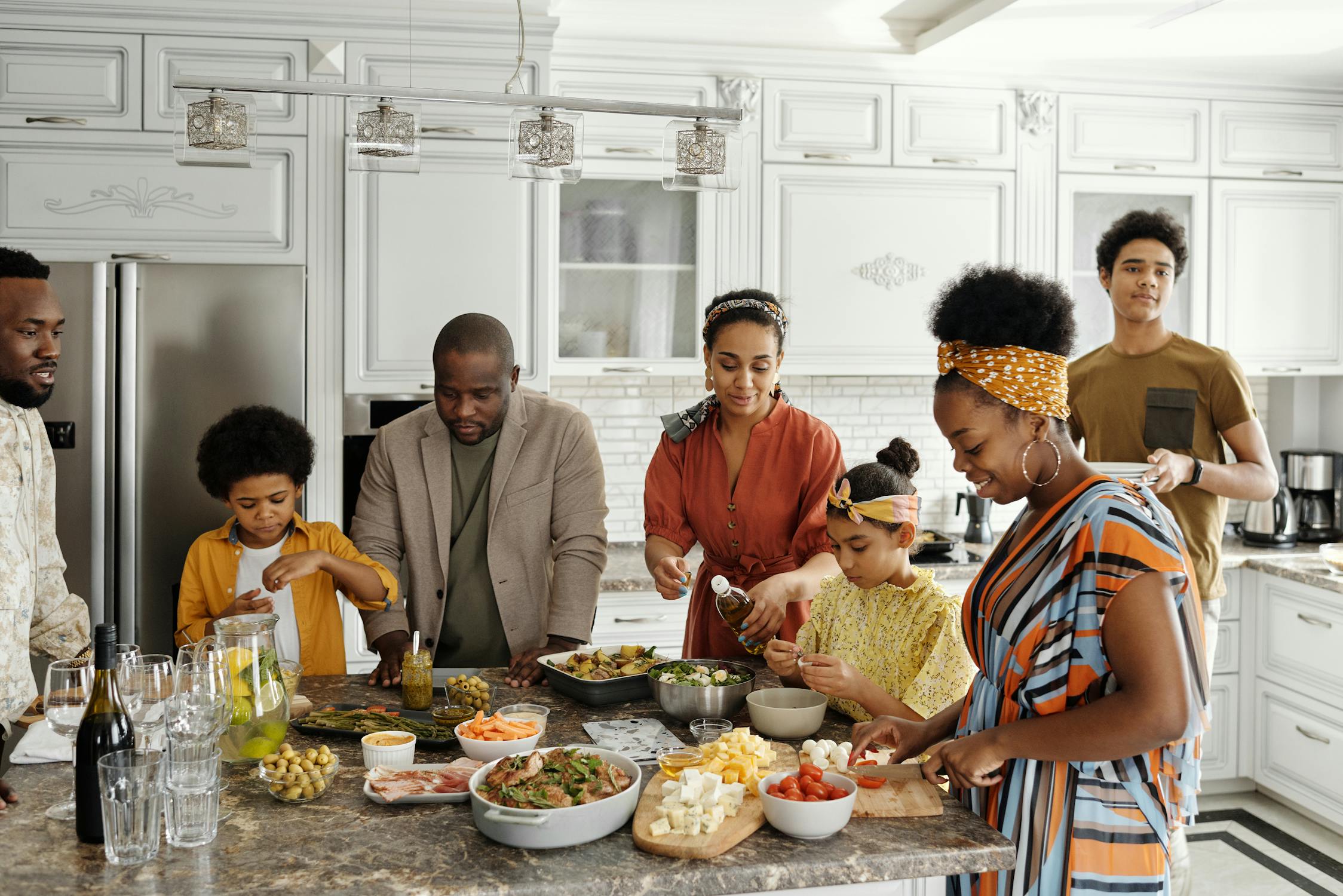
The experience of motherhood unites women across continents, cultures, and centuries. Yet how this universal role is understood, supported, and celebrated varies dramatically around the world—revealing both our common humanity and our distinctive cultural values.
The Fourth Trimester: Postpartum Care Traditions
Perhaps nowhere are cultural differences more pronounced than in postpartum practices. While many Western mothers experience pressure to "bounce back" quickly after childbirth, numerous cultures worldwide observe extended periods of specialized maternal care.
In parts of East Asia, new mothers practice "sitting the month" (zuo yue zi in Chinese), a 30-40 day period of rest and recovery. During this time, specific warming foods are consumed, cold temperatures are avoided, and relatives—often the new grandmother—take over household responsibilities and newborn care while the mother recuperates.
"When I gave birth in America, I was expected to be hosting visitors within days," recalls Lin Chen, who grew up in Taiwan. "With my second child, my mother insisted on traditional zuo yue zi. The difference in my physical recovery and emotional wellbeing was remarkable."
Similar practices exist across cultures: In Latin American traditions like la cuarentena, new mothers rest for 40 days while female relatives manage the household. In parts of India, new mothers receive daily oil massages and special nutrition for up to two months after delivery.
Anthropologist Dr. Sophia Rodriguez notes: "These traditions acknowledge childbirth as a significant physical event requiring recovery time. They also recognize the vulnerability of both mother and child during this period, providing built-in support systems that reduce postpartum complications and depression."
Shared Mothering: It Takes a Village
The Western ideal of the nuclear family—with child-rearing responsibilities falling primarily on biological parents—stands in contrast to more collective approaches to raising children found in many cultures.
In numerous African traditions, the concept of motherhood extends beyond biological connections. Among the Igbo people of Nigeria, for instance, children address their mother's sisters as "mother," with various terms distinguishing "small mother" or "big mother" based on age relative to the birth mother. These women share genuine responsibility for the child's upbringing.
"I had three mothers growing up," explains Nigerian-American writer Adaora Okafor. "My biological mother and her two sisters. If one disciplined me, the others respected that decision completely. They consulted each other about my education, my health, my future. It wasn't just a courtesy title—they functioned as a mothering unit."
Similarly, in Hawaiian culture, the practice of hānai (informal adoption within extended families) creates multiple maternal figures in a child's life. In parts of the Arctic, the collective raising of children has been essential for survival in harsh environments.
Family therapist Dr. James Morales observes: "These systems of shared mothering distribute the intense demands of child-rearing, reduce isolation, and provide children with a richer social environment. As Western mothers increasingly report burnout from trying to do everything alone, these traditional models offer valuable alternatives."
Honoring Mothers: Beyond One Day a Year
While Mother's Day has become a nearly global phenomenon, cultures vary dramatically in how maternal contributions are acknowledged and celebrated throughout the year.
In Japan, a mother's domestic work—cooking, cleaning, child care—is explicitly recognized as essential labor contributing to the nation's economy, with government campaigns promoting this perspective. In Scandinavian countries, extensive parental leave policies and subsidized childcare reflect a societal valuing of both motherhood and female workforce participation.
These systematic supports contrast with cultures where maternal sacrifice is glorified without corresponding social support systems. Cultural anthropologist Dr. Elena Kim explains: "In some societies, we see a paradoxical pattern where mothers are symbolically placed on pedestals while simultaneously being denied practical support or recognition of their needs as individuals beyond their maternal role."
Learning Across Boundaries
As global migration increases, mothering traditions increasingly cross borders and combine in new ways.
"I've incorporated practices from my Japanese heritage, my husband's Mexican background, and our American surroundings," shares Naomi Tanaka-Garcia. "I observed a modified zuo yue zi after birth, we celebrate Mother's Day with both American cards and the Mexican tradition of children singing Las Mañanitas, and we're creating our own hybrid approach to raising children with multiple maternal figures involved."
This cultural exchange allows mothers to select practices that resonate, regardless of origin. American mothers increasingly adopt aspects of postpartum traditions from other cultures. Extended family child-raising arrangements are being intentionally recreated through community parenting cooperatives. Traditional maternal wisdom is being reevaluated alongside contemporary research.
As sociologist Dr. Fatima Hassan concludes: "The diversity in motherhood traditions worldwide reminds us that there isn't one 'natural' or 'correct' way to mother. Each culture has developed approaches that address universal needs within their specific context. As we face new challenges in raising children in a complex world, this rich global inheritance offers us a wealth of possibilities for reimagining motherhood in ways that better support both mothers and children."
About Dr. Priya Sharma
Dr. Sharma is an anthropologist specializing in comparative family structures and maternal health practices across cultures.